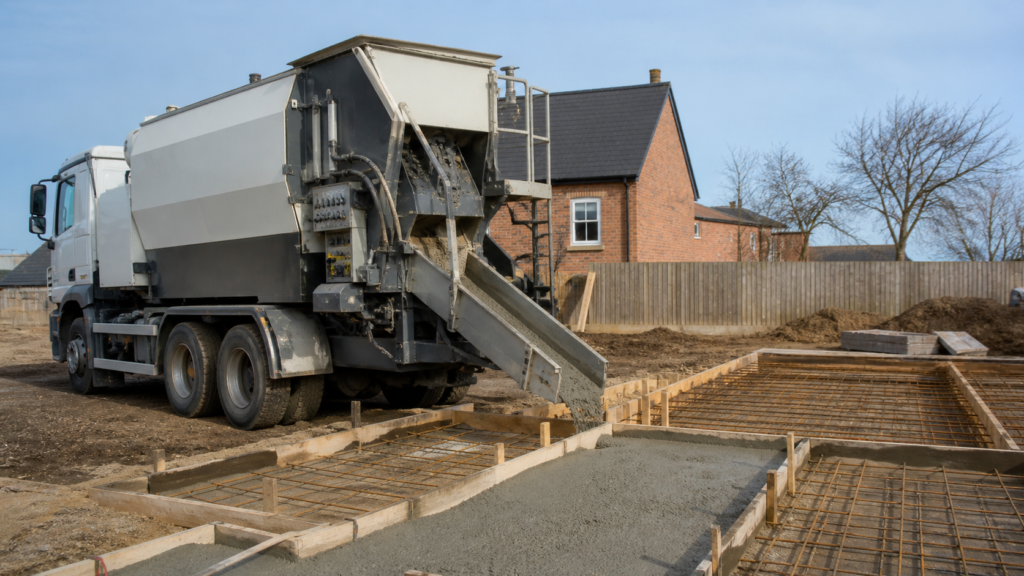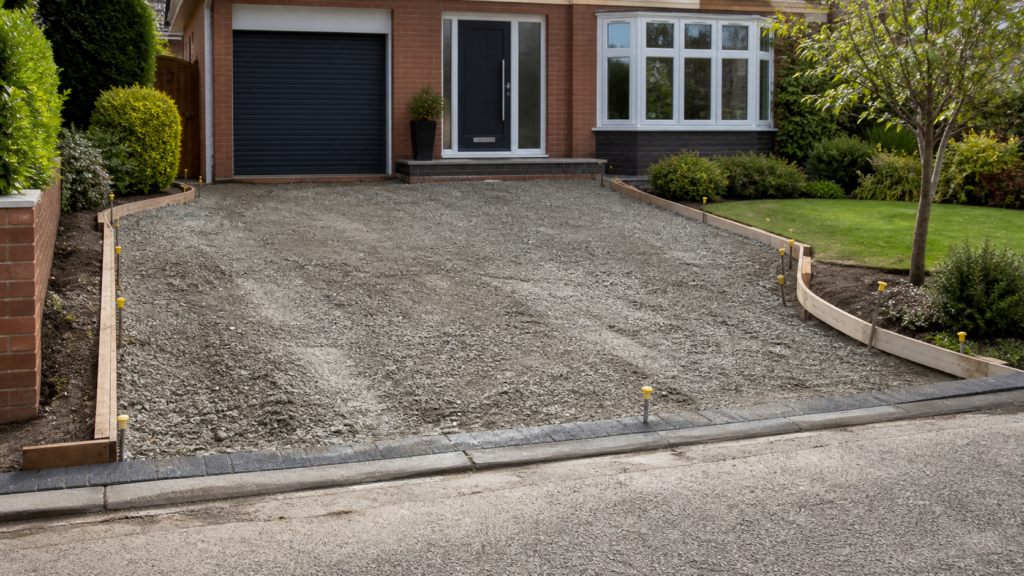
Short answer: a good driveway pour depends on preparation. Confirm the area, depth, sub-base, drainage falls, edge restraints, reinforcement if specified, access for the delivery vehicle and how the concrete will be placed and finished.
A driveway is one of the most visible concrete projects around a home. The concrete order matters, but the pour result also depends on the preparation beneath it and the plan for finishing it once the material arrives.
Start with the driveway build-up
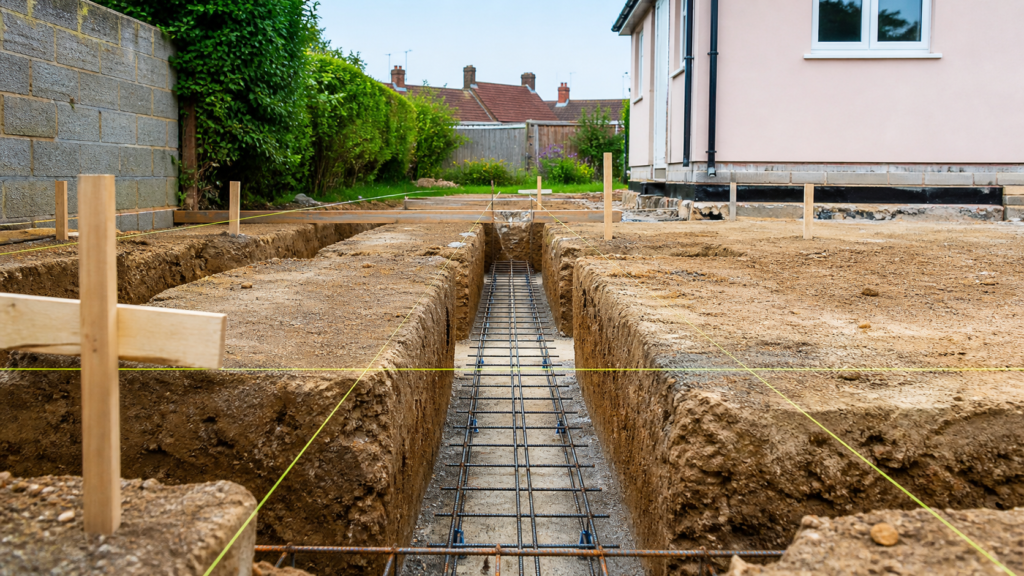
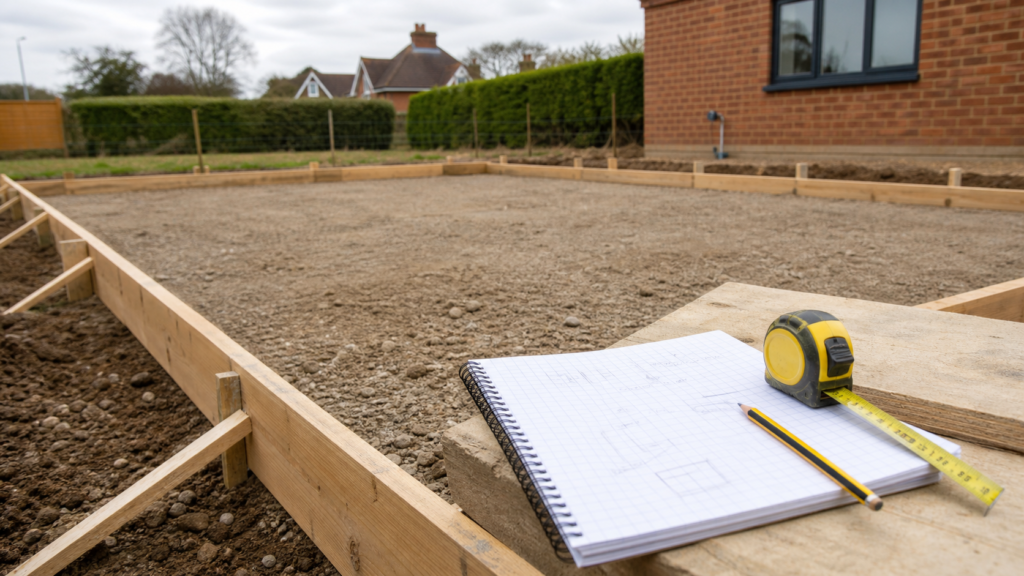
Before arranging concrete for a driveway, make sure the prepared area reflects the intended finished levels. The sub-base should be compacted, the edges should be fixed, and any drainage falls should already be planned.
If your installer or designer has specified reinforcement, joints, depth or a finish, record those details before sending the enquiry. The approved supplier can then confirm the concrete supply details against the project information.
Think about access from the road
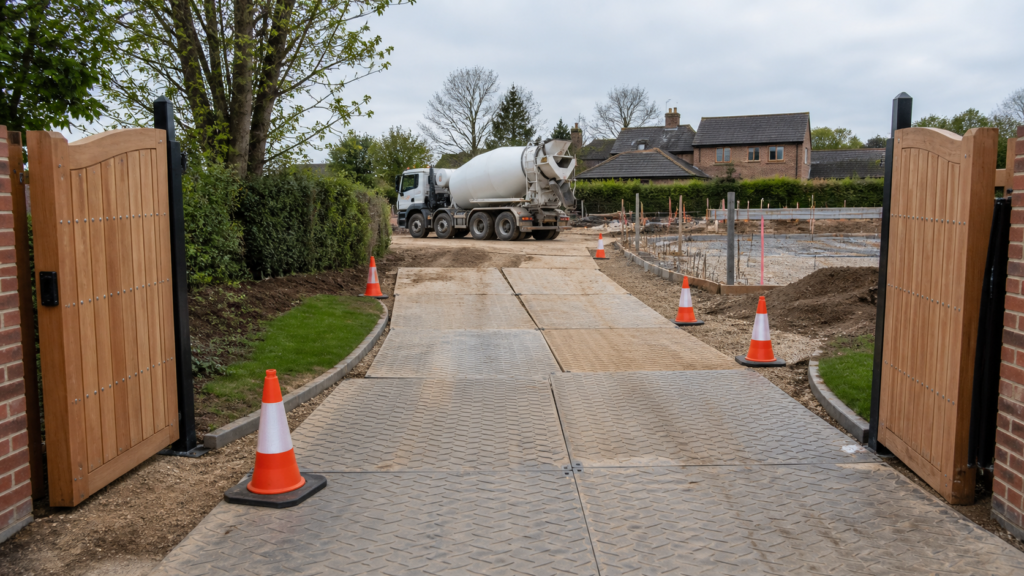
Driveways sound easy because they are near the road, but access still needs checking. Parked vehicles, tight turns, low branches, street width and local restrictions can affect whether a lorry can discharge safely.
Decide how concrete will be placed
- Direct chute discharge may work where the lorry can reach the prepared area.
- Barrowing may suit small areas but needs enough labour and time.
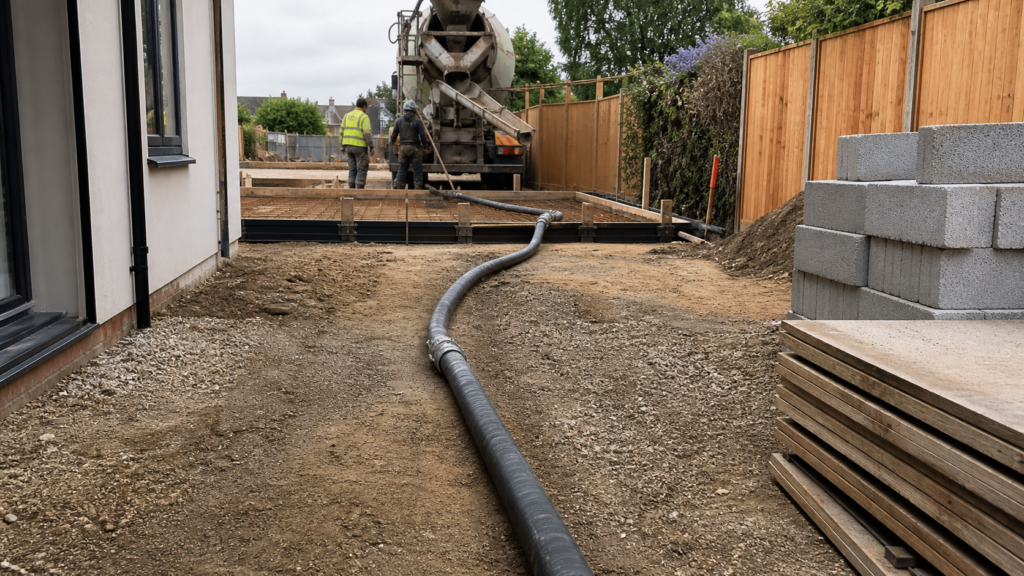
- Pumping may be better where access is awkward or speed matters.
- Volumetric or mini-mix options may suit smaller or uncertain quantities.
Confirm finish and timing
Driveway concrete needs the right finishing window. Weather, temperature, labour availability and site layout all affect the work. The supplier will confirm delivery details, but the site team must be ready to place, level, finish and protect the concrete once it arrives.
Next step: Send your driveway dimensions, access notes, intended finish and preferred delivery timing through the Kent Readymix contact page. Kent Readymix can pass the enquiry to one approved supplier for confirmation.
Do not leave placement until delivery day
Driveway pours can look straightforward, but the concrete still needs to be moved and finished quickly. If direct discharge will not reach every part of the driveway, decide whether the team will barrow, use a pump or change the pour sequence. Leaving that decision until the lorry arrives can create avoidable pressure.
Weather and protection
Weather affects preparation, delivery and finishing. Heavy rain, heat, frost risk and strong wind can all change the practical plan. The site team should be ready to protect fresh concrete where needed and should avoid booking a pour when conditions are unsuitable for the intended finish.
Driveway enquiry checklist
- Finished driveway size and approximate depth.
- Sub-base and edging status.
- Any specified reinforcement, joints or finish.
- Distance from lorry position to the furthest part of the pour.
- Photos of the driveway entrance and prepared area.
Frequently asked questions
How much concrete do I need for a driveway?
Measure the driveway length, width and depth in metres, then allow for any thicker sections or level changes. The approved supplier should confirm the final quantity.
Can a concrete lorry pour straight onto my driveway?
Sometimes, if access is suitable and the lorry can discharge safely. Tight access, distance or level changes may mean barrowing or pumping is needed.
Who confirms the concrete mix for a driveway?
The approved supplier confirms the available mix and delivery details based on your project information and any installer specification.