Short answer: traditional ready-mix concrete is batched before it reaches site, while volumetric concrete is batched on site by a mobile mixer. The better option depends on the project size, access, timing, specification and whether the producer can confirm the required certification for the job.
Many customers use the phrase ready-mix for any concrete delivered to site, but the production method can matter. If you are planning a driveway, footing, slab, floor or commercial pour, it is worth understanding the difference before you send an enquiry.
What is traditional ready-mix concrete?
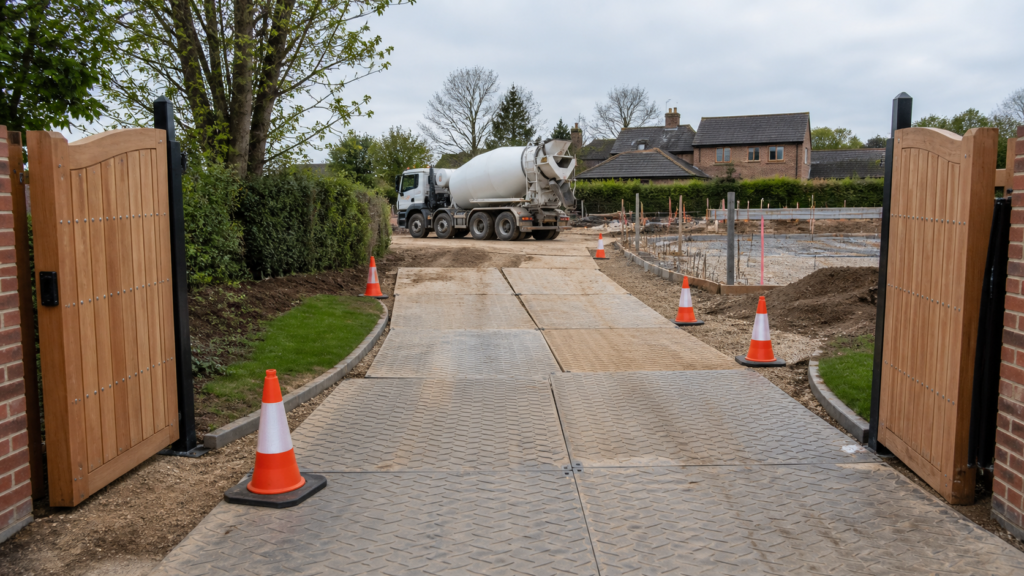
Traditional ready-mix concrete is produced as a batch before arrival. The material then travels to site in a mixer truck and is discharged within the agreed time window. It can be a good fit when the volume, mix and delivery timing are clear.
What is volumetric concrete?
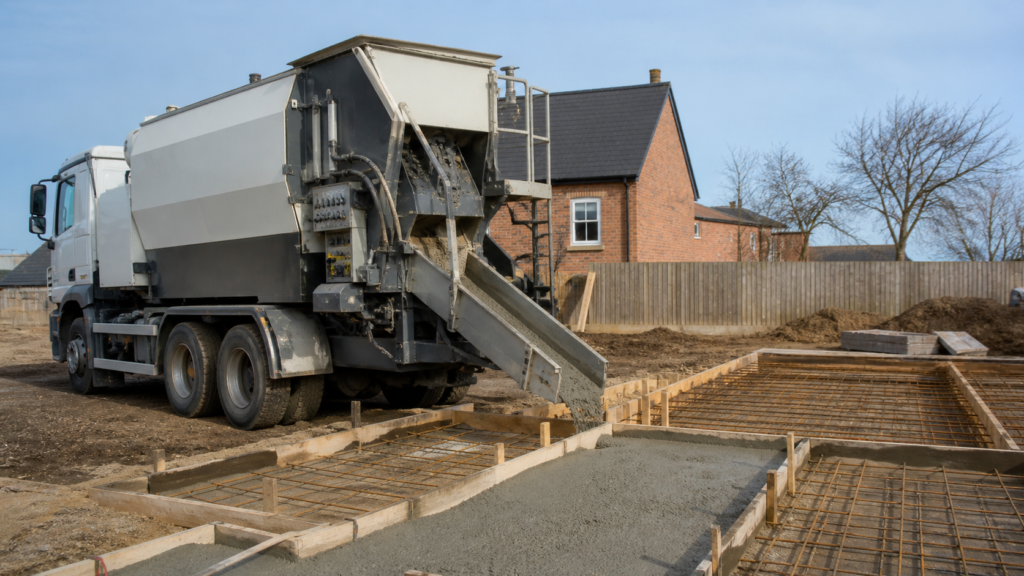
Volumetric concrete is batched on site from separate materials carried on a mobile batching vehicle. This can be helpful where the exact amount is less certain, where the pour includes more than one small section, or where site timing may need more flexibility.
Certification and specification questions
Volumetric batching is not automatically outside BS 8500 and BS EN 206. The important question is whether the producer and process are certified for the type of concrete you need. Some certified schemes cover mobile batching vehicles as well as static plants.
Do not assume every supplier is certified for every type of work. If your project needs a designated mix or a specification tied to building control, an engineer or a main contractor, ask the approved supplier to confirm the certification position and record the agreed mix on the delivery ticket.
Which option should you ask for?
- Ask about traditional ready-mix when the volume and mix are clear and the delivery slot is straightforward.
- Ask about volumetric or on-site mixed concrete when the exact quantity may vary, the site needs flexibility, or the pour is split into smaller areas.
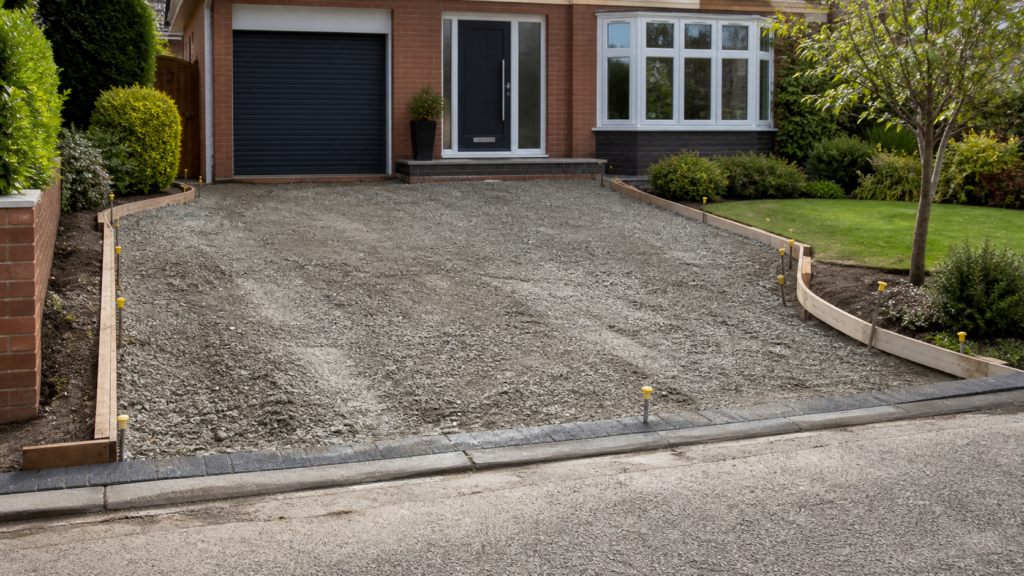
- Ask about mini-mix delivery for smaller domestic jobs where a large lorry may not be suitable.
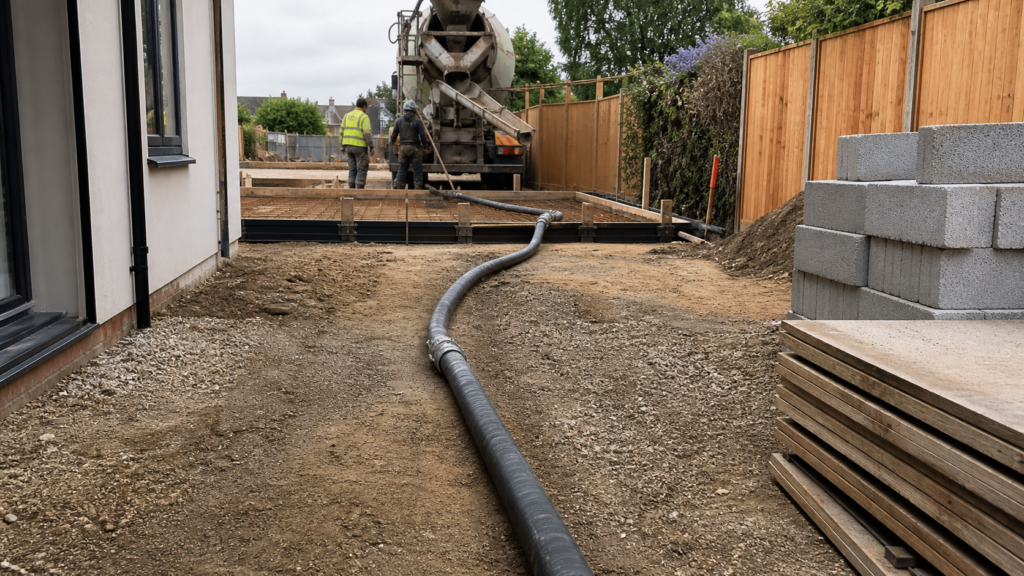
- Ask about concrete pumping when barrowing would be slow, difficult or unsafe.
Next step: Send the project type, location, volume estimate, access details and any specification notes through the Kent Readymix contact page. Kent Readymix can pass the enquiry to one approved supplier, who will confirm the suitable production and delivery approach.
How site conditions affect the choice
The best option is not decided by the name alone. A clear, open site with a fixed quantity may suit a standard ready-mix delivery. A project with several small pours, uncertain final volume or tighter timing may be worth discussing as a volumetric or mini-mix enquiry.
Access matters too. If the lorry cannot get close to the work area, the placement method may matter more than the batching method. In that case, ask about pumping, barrowing and discharge distance at the same time as you ask about the concrete.
What to ask the approved supplier
- Which delivery method is suitable for the volume and site layout?
- What mix specification will be recorded for the order?
- Can the producer confirm any certification needed for the project?
- What information should be ready on the delivery ticket?
Frequently asked questions
Is volumetric concrete the same as ready-mix concrete?
It is a form of delivered concrete, but the materials are batched on site by a mobile mixer rather than arriving as one pre-batched load.
Can volumetric concrete meet BS 8500 requirements?
It can, where the producer and process are properly certified for the concrete being supplied. Ask the approved supplier to confirm the certification position for your project.
Which is better for a small concrete pour?
It depends on access, volume certainty, specification and timing. For small domestic work, mini-mix or volumetric options may be worth discussing with the approved supplier.