Short answer: measure the length, width and depth of the area in metres, multiply them together, then add a sensible allowance for uneven ground, small changes in depth and wastage. The final quantity should always be confirmed by the approved supplier before concrete is booked.
Concrete volume sounds simple, but many under-orders come from small details: a trench is slightly wider than planned, a slab sub-base is not perfectly level, or the pour includes a thickened edge that was not included in the first calculation. A few careful checks before you enquire can save time on the day.
The basic concrete volume formula
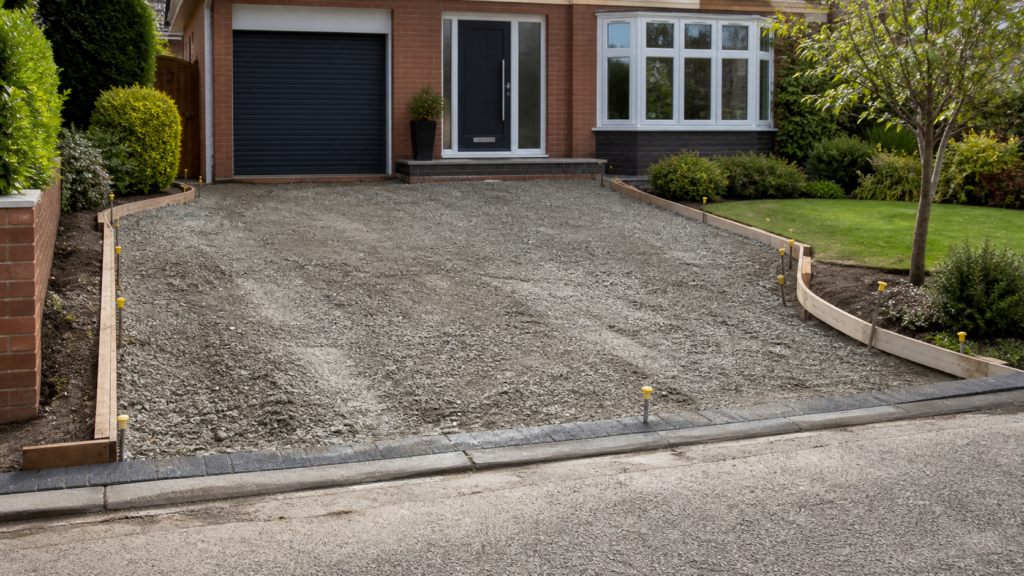
For a simple rectangular slab, the usual calculation is length x width x depth. A slab measuring 5 metres by 3 metres at 0.1 metres deep would be 1.5 cubic metres before any allowance is added. For an L-shaped area, split the shape into rectangles, calculate each section, then add them together.
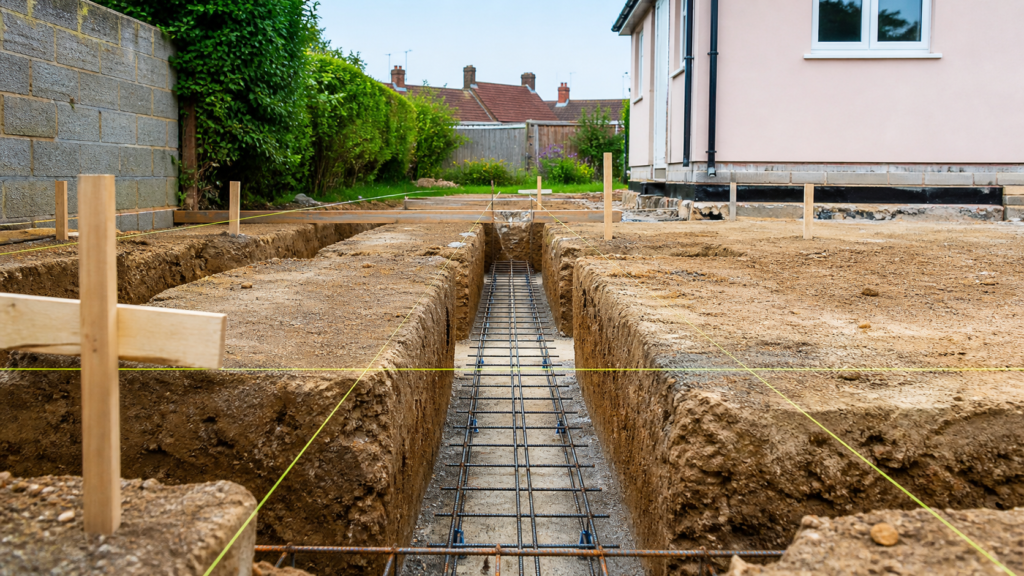
For strip footings, calculate each run separately. Use the actual trench length, average width and average depth. If the ground is uneven, take several measurements instead of relying on one neat number from the plan.
What to measure before you enquire
- Length and width of each slab, trench or bay in metres.
- Depth in metres, including any thicker edges or pads.
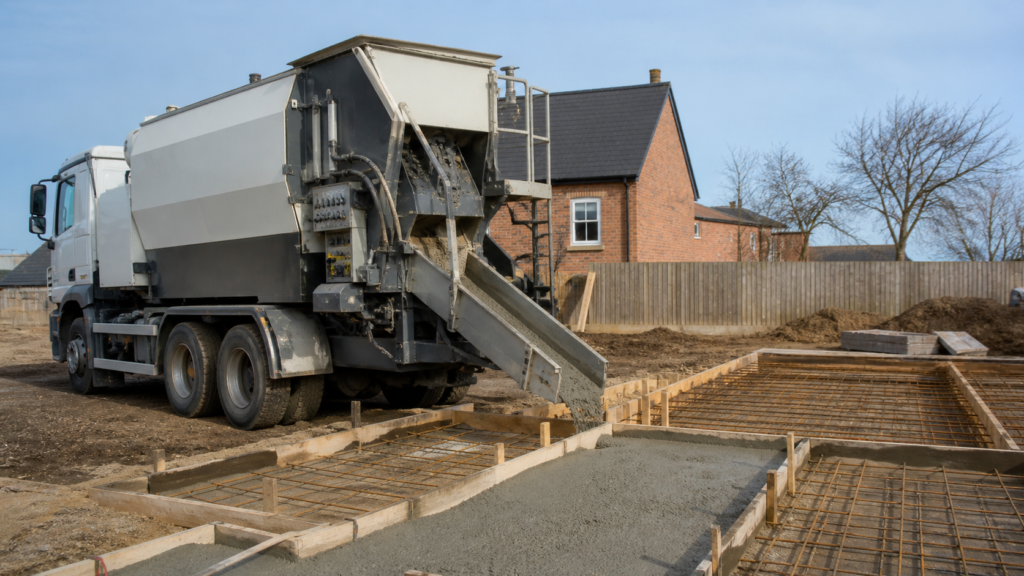
- Whether the concrete is for concrete slabs, footings and foundations, floors, driveways or a general project.
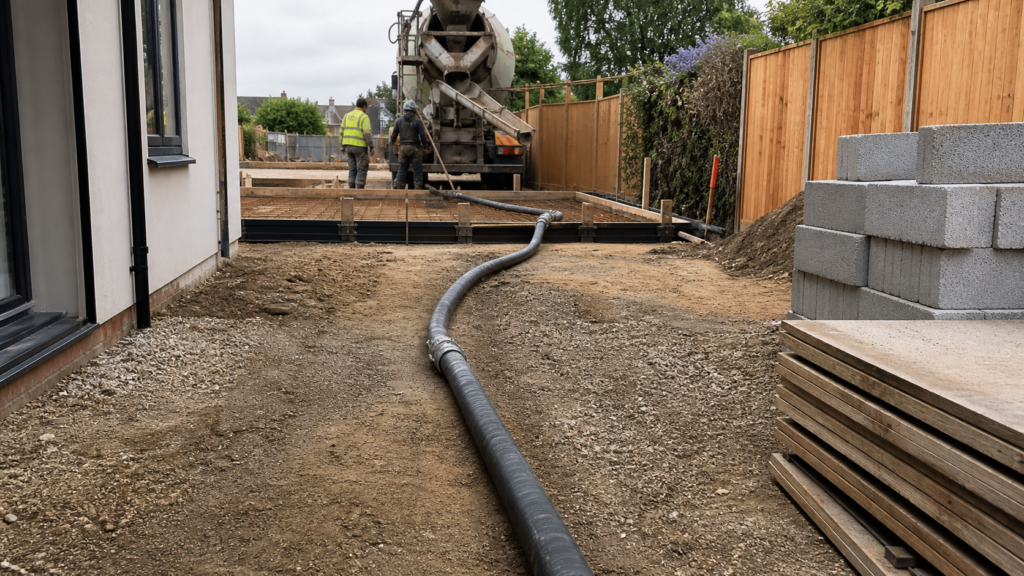
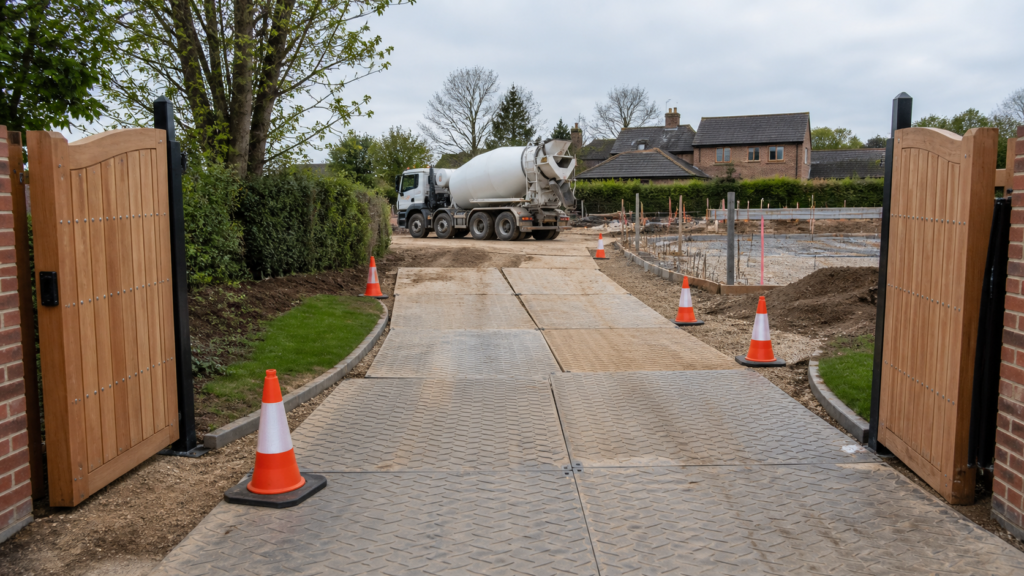
- Access from the road to the pour area, including gates, overhead restrictions and distance from the vehicle.
- Whether the concrete can be discharged directly, moved by barrow or placed by pump.
Why an allowance matters
Most practical pours need a small allowance because real ground is rarely perfect. The right allowance depends on the project, the preparation and the tolerance you are working to. Too little can leave you short; too much can create disposal problems.
Kent Readymix arranges ready-mix concrete enquiries and passes them to one approved supplier. The approved supplier can review the measurements, ask the right practical questions and confirm the final quantity before booking.
Do not guess the mix
Volume is only one part of the order. The mix specification should match the project, exposure, finish and any building control or engineer requirements. If the work is structural, confirm the specification with the relevant professional and ask the approved supplier to record the agreed details on the delivery ticket.
Next step: Send the measurements, site access notes and preferred delivery window through the Kent Readymix contact page. Kent Readymix can pass the enquiry to one approved supplier, who will confirm the mix, volume, delivery window and any site-specific requirements before the order is finalised.
Common volume mistakes to avoid
The most common mistake is calculating from neat drawing dimensions while ignoring what has happened on site. Excavations can widen, formwork can move and a slab may include a deeper edge beam, step or pad. Measure what is actually ready to pour, not only what was planned at the start.
Another mistake is mixing units. Keep everything in metres before multiplying. Millimetres and centimetres can easily create a result that is ten or one hundred times out if they are typed into a calculator without conversion.
What to send with your measurements
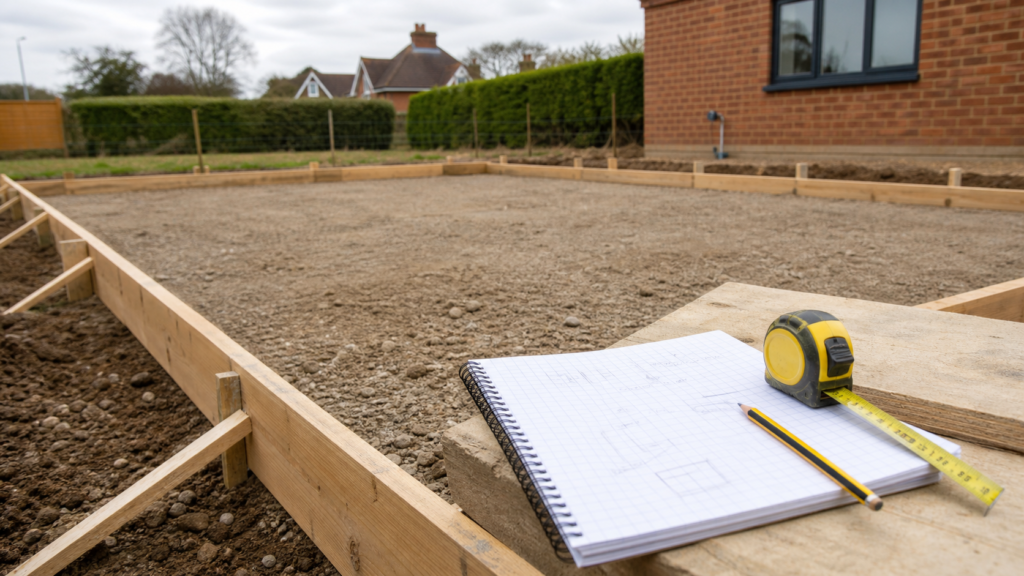
When you enquire, include the project type, the measured dimensions, the approximate depth, the site address and a note on how the concrete will be placed. Photos of the prepared area and access route can also help the approved supplier ask better questions before confirming the booking.
Frequently asked questions
How do I calculate concrete in cubic metres?
Multiply length by width by depth in metres. For irregular areas, split the pour into smaller simple shapes and add the volumes together.
Should I add extra concrete to my order?
Usually a small allowance is sensible, but the amount depends on the site and the pour. Ask the approved supplier to confirm the final quantity before booking.
Can Kent Readymix confirm my exact concrete volume?
Kent Readymix can pass your enquiry to one approved supplier, who can review your measurements and confirm the volume before the order is finalised.