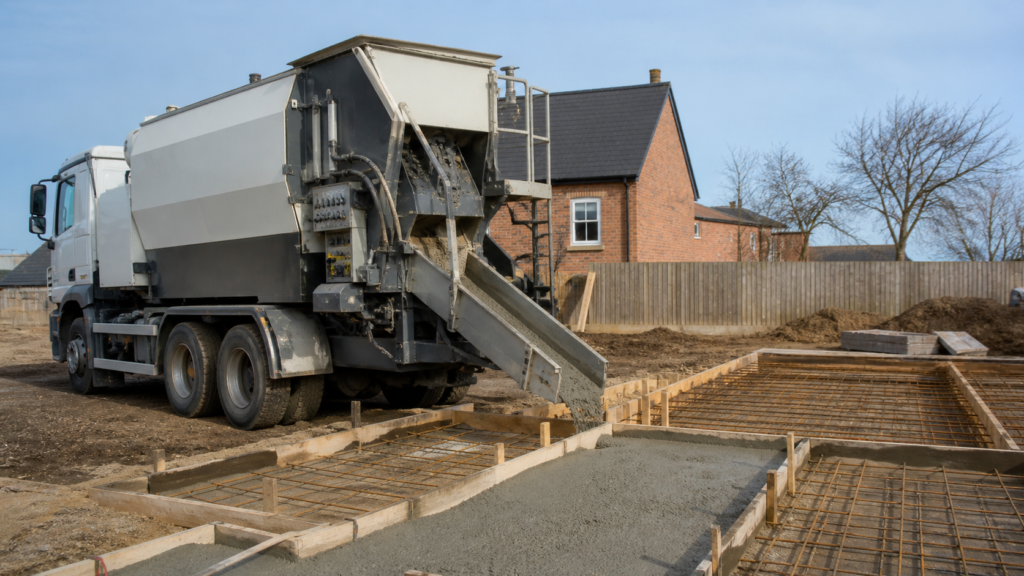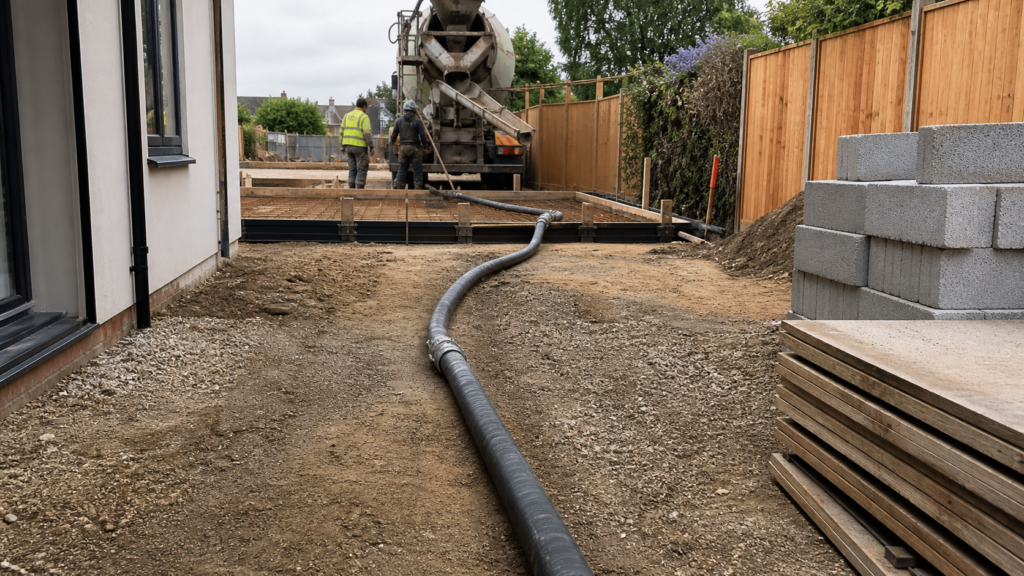
Short answer: use barrows only when the pour is small, close to the lorry and properly staffed. Ask about concrete pumping when the pour is larger, the route is long or awkward, or you need the concrete placed quickly and consistently.
The concrete itself is only part of the job. Once it arrives, it needs to be moved, placed and finished within a workable time. Choosing the wrong placement method can put pressure on the team and affect the finish.
When barrowing may be enough
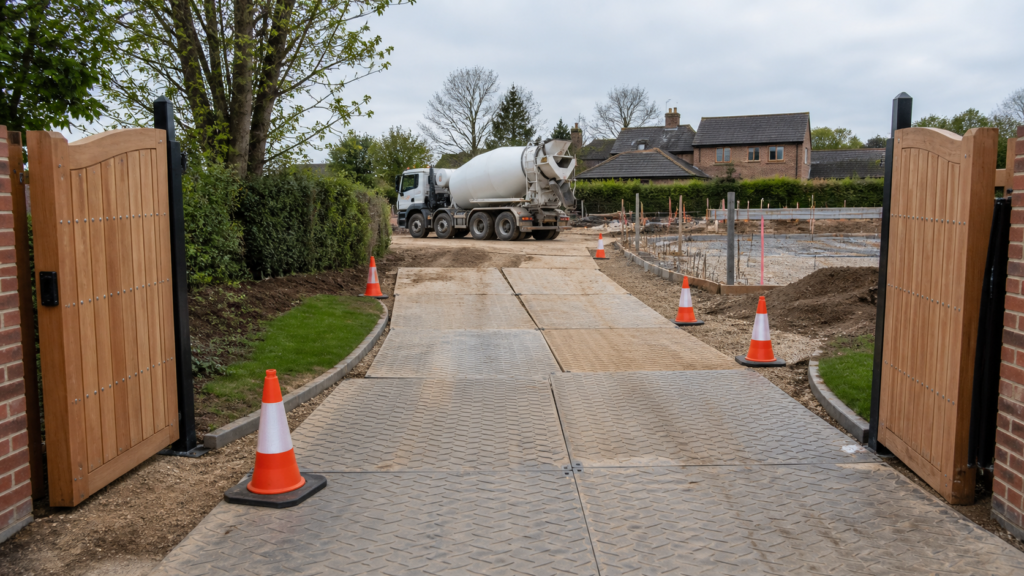
Barrowing can work for small domestic jobs where the lorry can stop close to the pour and the route is level, short and clear. It still needs enough labour, enough barrows and a realistic plan for keeping up with the delivery.
When pumping may be better
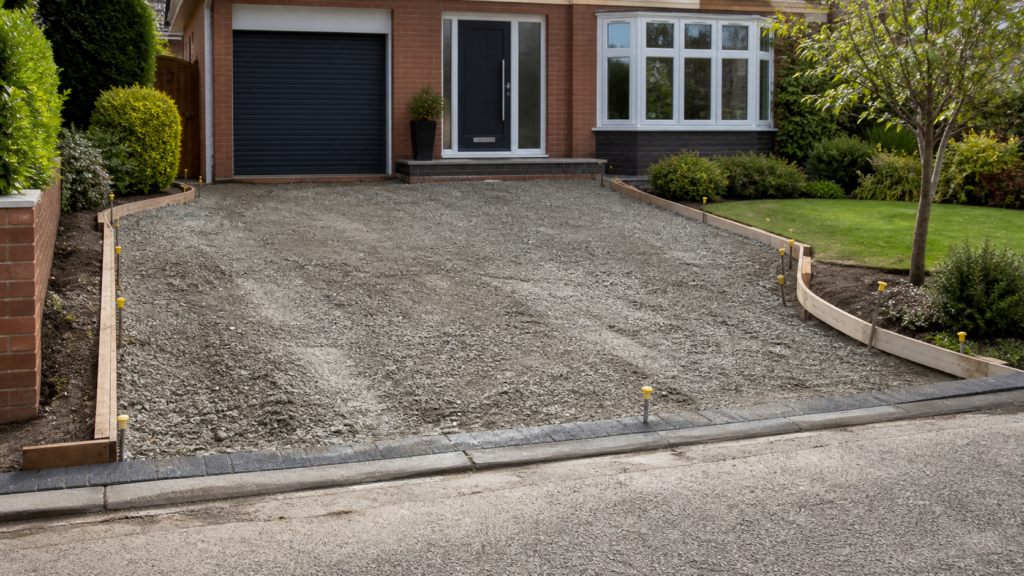
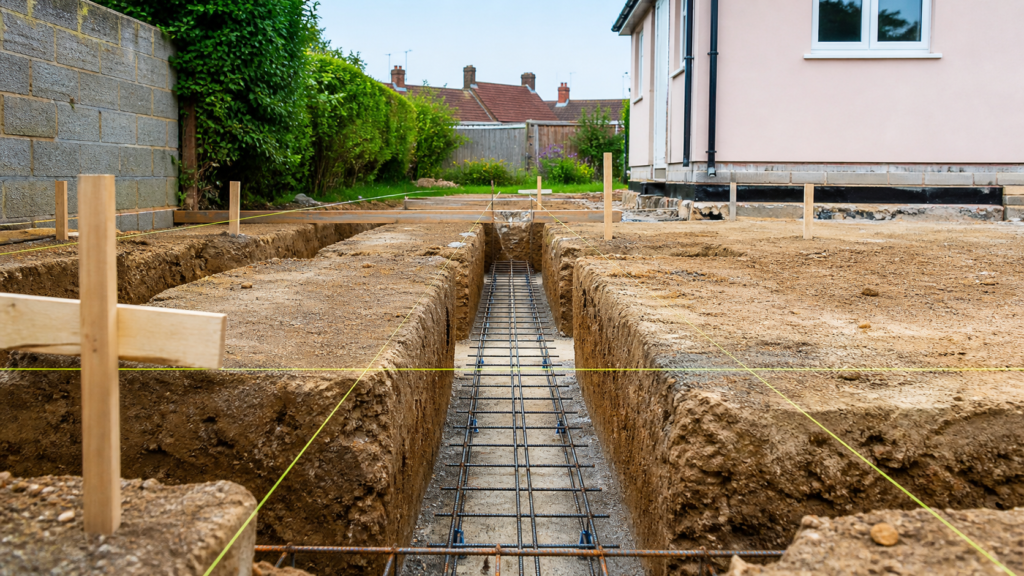
Concrete pumping may be the better route where access is tight, the pour is behind a property, the distance is significant or the volume is too much for barrowing comfortably. It can also help with foundations, slabs and floors where a steady placement rate matters.
Questions to answer before booking
- How far is the pour from the nearest safe lorry position?
- Is the route level, clean and wide enough for barrows?
- How many people will place and finish the concrete?
- Is there enough time to move the concrete before it stiffens?
- Would a pump hose make the pour safer and more controlled?
Coordinate supply and placement
If pumping is needed, the concrete delivery and pump timing must be coordinated. Tell the approved supplier early, because not every job needs the same setup and availability can vary.
For smaller loads, mini-mix delivery or volumetric concrete may also be worth discussing, depending on site access and quantity.
Next step: Send your site access notes, distance to pour, estimated volume and preferred placement method through the Kent Readymix contact page. Kent Readymix can pass the enquiry to one approved supplier for confirmation.
Think in terms of pour speed
The right placement method is partly about distance, but it is also about speed. Concrete must be placed and finished in a controlled sequence. If barrows cannot keep up, the team may struggle to level and finish the material consistently.
Pumping can help maintain a steadier flow, especially where the route is awkward or the pour is larger than a small patch repair. It still needs planning: the pump position, hose route, washout and delivery timing should all be confirmed before the day.
What to include in a pumping enquiry
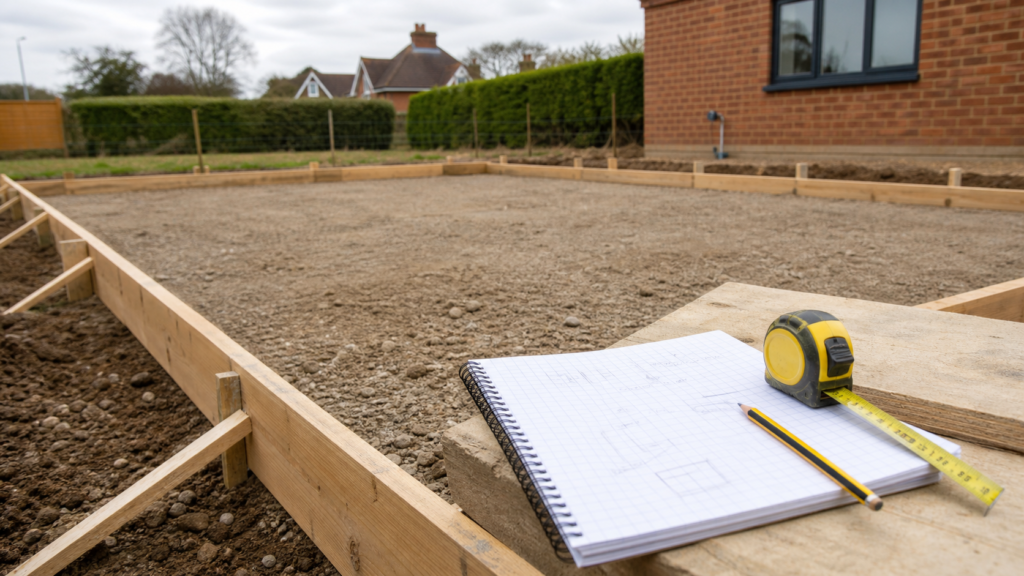
- Estimated concrete volume and project type.
- Distance from road or lorry position to pour area.
- Photos of the route and any tight access points.
- Whether the pour is for slabs, foundations, floors or another use.
- Any time restrictions or access limits on the site.
Frequently asked questions
Is concrete pumping better than using wheelbarrows?
It depends on distance, access, volume and labour. Pumping is often better for awkward routes or larger pours, while barrows can suit small, close pours.
Can I decide on pumping after ordering concrete?
It is better to raise pumping before booking so delivery timing, availability and suitability can be confirmed by the approved supplier.
Does Kent Readymix provide concrete pumping?
Kent Readymix arranges enquiries and can pass suitable concrete pumping requests to one approved supplier, who will confirm availability and details.